
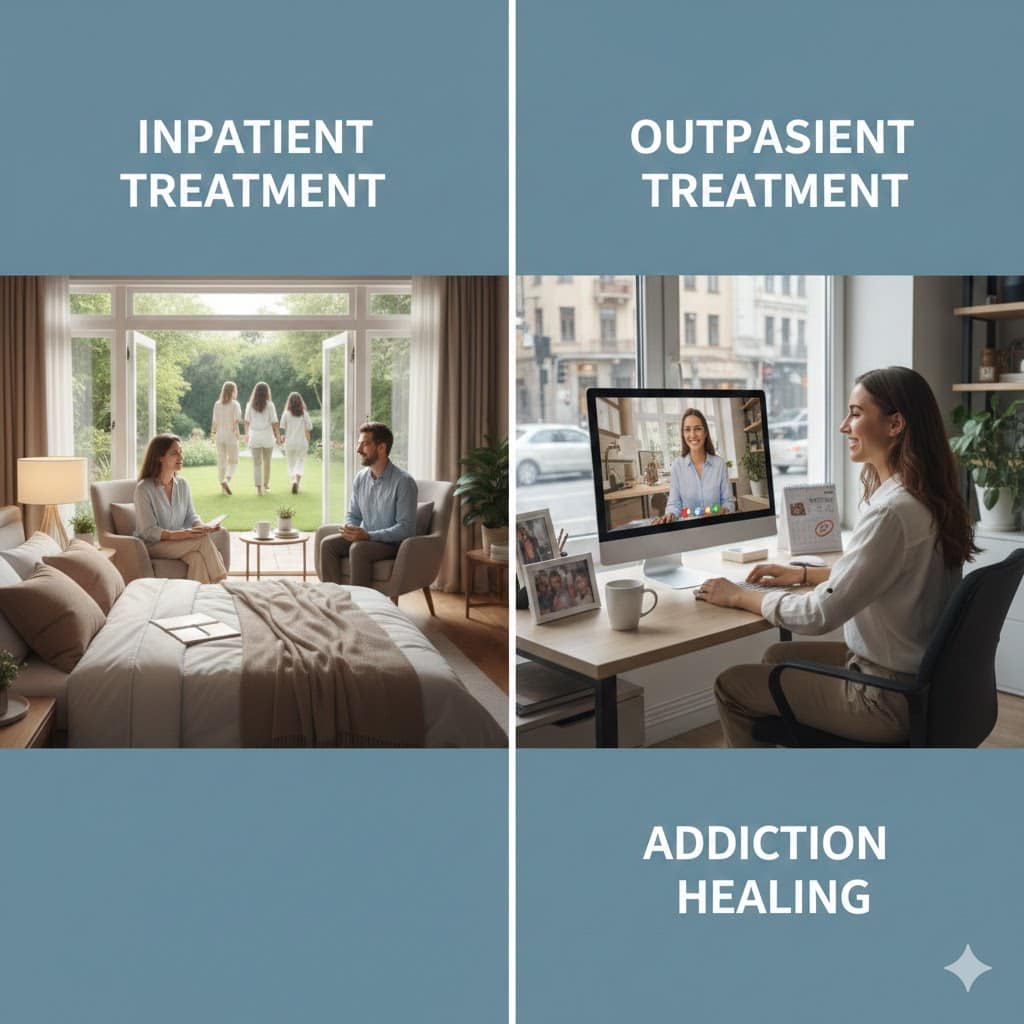
 When it comes to addiction recovery, choosing the right level of care can make a significant difference in long-term success. Every individual’s journey is unique, and what works for one person may not be the best fit for another. At Seaside Wellness, clients are offered personalized treatment plans that consider their substance use history, mental health needs, lifestyle, and support systems. Understanding the differences between inpatient and outpatient programs is key to making an informed decision that supports healing, stability, and lasting recovery.
Understanding Levels of Care in Addiction Treatment
Addiction affects every aspect of life, including physical health, mental wellbeing, relationships, and daily routines. Levels of care are designed to meet clients where they are, providing the structure, support, and therapy needed to address these challenges effectively.
What Inpatient Treatment Offers
Inpatient treatment, also called residential care, provides a structured, immersive environment where clients live at the treatment facility for a set period.
Benefits of Inpatient Care:
-
24/7 Support and Supervision: Medical and clinical staff monitor clients continuously, ensuring safety and prompt intervention if challenges arise.
-
Intensive Therapy: Individual therapy, group sessions, and skill-building workshops are provided daily to address both addiction and underlying mental health conditions.
-
Removal from Triggers: Living in a controlled environment allows clients to focus fully on recovery without exposure to stressors or environments associated with substance use.
-
Holistic Approaches: Inpatient programs often include mindfulness practices, exercise, nutrition support, and faith-based guidance to promote overall wellbeing.
What Outpatient Treatment Offers
Outpatient treatment is a flexible program that allows clients to live at home while attending scheduled therapy and support sessions.
Benefits of Outpatient Care:
-
Flexibility: Clients can maintain work, school, or family responsibilities while receiving structured support.
-
Practical Skill Application: Outpatient care encourages clients to practice coping strategies in real-life environments with guidance from clinicians.
-
Ongoing Support: Regular therapy and group sessions help reinforce recovery skills and prevent relapse.
-
Gradual Transition: Outpatient programs are ideal for individuals who have completed inpatient care or require less intensive support.
Factors to Consider When Choosing a Level of Care
Selecting the right program depends on multiple factors, including the severity of addiction, co-occurring mental health conditions, personal support systems, and living environment.
Severity and Safety Needs
Individuals with severe substance use, high relapse risk, or medical complications often benefit from the structure and supervision of inpatient care. Those with mild to moderate addiction and a stable home environment may find outpatient care sufficient.
Co-Occurring Mental Health Conditions
Dual diagnosis requires integrated treatment for both addiction and mental health. Inpatient care provides intensive support for managing complex conditions, while outpatient care can be tailored for individuals already equipped with coping strategies and stability.
Personal Responsibilities and Support Systems
Outpatient programs are suitable for individuals with strong family support, steady routines, and access to community resources. Inpatient care may be necessary for those who need a safe, focused environment to break patterns of substance use.
Holistic and Individualized Approaches
At Seaside Wellness, both inpatient and outpatient programs incorporate holistic and faith-based practices alongside traditional therapy. Individualized care plans address the whole person, supporting physical, emotional, and spiritual healing to reinforce recovery.
Making the Decision
Choosing the right level of care is a personal decision that should be guided by professional assessment and support. Both inpatient and outpatient programs offer proven pathways to recovery, and sometimes a combination of both is the most effective approach.
Taking the Next Step Toward Healing
Recovery begins with the first step toward support. Whether inpatient or outpatient care is the best fit, Seaside Wellness provides compassionate, individualized treatment designed to help clients heal, grow, and maintain long-term sobriety. Reaching out today can provide clarity, guidance, and the tools needed to build a healthier, more resilient future.